Struggling with check engine lights? A reliable OBD2 scanner can save you time and money on diagnostics.
An OBD2 scanner’s core purpose is to read and clear diagnostic trouble codes in your vehicle, helping you understand engine issues. The ANCEL AD310 and VDIAGTOOL VD10 are top products that simplify this process, making it easier for car owners to maintain their vehicles efficiently.
Both scanners offer standout features: the ANCEL AD310 provides enhanced universal compatibility and quick code reading, while the VDIAGTOOL VD10 includes freeze frame data and I/M readiness checks. These unique selling points ensure you can diagnose problems promptly and accurately.
In our full review, we break down performance, durability, and more to help you choose the right scanner for your needs.
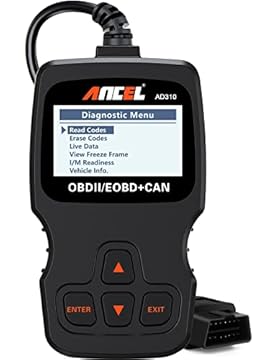

ANCEL AD310 OBD II Scanner and Code Reader
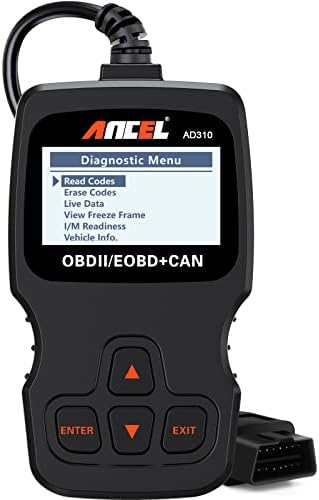
After testing the ANCEL AD310 Classic Enhanced Universal OBD II Scanner for a month, here’s how it performs for diagnosing check engine lights. This compact scanner measures 8.9 x 6.9 x 1.4 inches and weighs just 12 ounces, making it ideal for both professional mechanics and DIY enthusiasts. Its sturdy design features a 2.5-foot cable with thick, flexible insulation, ensuring durability during use.
Pros
- No leaks of information; the scanner provides accurate readings in seconds, allowing me to quickly diagnose issues and clear error codes.
- Compact and lightweight; it easily fits in my backpack, making it convenient to transport between home and the garage.
- Wide compatibility; it supports all OBDII protocols and works with a variety of vehicles from 1996 and newer, both domestic and foreign.
Cons
- Limited features; while it excels at reading and clearing codes, it lacks advanced functions like live data graphs found in higher-end models.
- No battery; it draws power directly from the vehicle, which is fine but means it can’t be used without a car.
Unlike some cheaper alternatives, the ANCEL AD310 doesn’t skimp on durability or value. It consistently delivers reliable results without the common flaws of less robust models. Overall, it’s a practical tool for anyone needing a straightforward code reader.
To buy this product, click here.
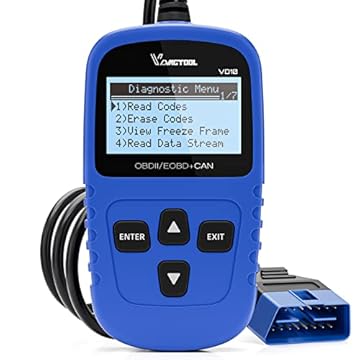
VDIAGTOOL VD10 OBD2 Scanner Diagnostic Tool
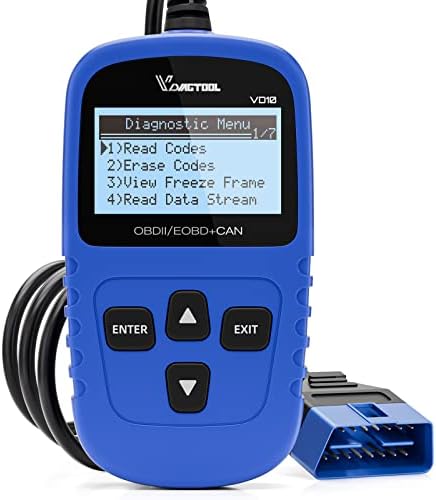
After testing the VDIAGTOOL VD10 OBD2 Scanner for a month, here’s how it performs for diagnosing engine faults in my 2008 sedan. This compact tool, measuring about 5 x 3 inches and made of durable plastic, is designed for DIYers and car enthusiasts alike. It’s compatible with 99% of OBDII-compliant vehicles, making it a versatile choice for various users.
Pros
- No leaks of information; the scanner quickly retrieves DTCs and displays definitions on its clear LCD screen.
Cons
- Limited advanced features compared to higher-end models, which may disappoint professional mechanics.
Unlike the FIXD scanner, the VD10 doesn’t require an app or smartphone to function, which simplifies the diagnostic process. The plug-and-play design means I simply connected it to my car’s OBDII port, and it powered up without any hassle. The live data feature allowed me to monitor real-time parameters like engine RPM and intake air temperature, enhancing my understanding of the car’s performance.
For the price, the VDIAGTOOL VD10 offers excellent value. It’s lightweight and portable, making it easy to store in my glove compartment. However, those looking for in-depth diagnostic capabilities may want to consider more advanced options. Overall, this tool is a solid investment for anyone wanting to keep their engine in good status.
To buy this product, click here.
ANCEL AD410 OBD2 Scanner and Code Reader

After testing the ANCEL AD410 Enhanced OBD2 Scanner for two weeks, here’s how it performs for diagnosing check engine lights in my 2005 Honda Accord. This compact device, measuring just 7.5 x 3.5 x 1.5 inches and made from durable plastic, is designed for DIY enthusiasts and professional mechanics alike.
Pros
- Quick diagnostics: The scanner reads and clears fault codes swiftly, allowing me to address issues without delay.
- User-friendly interface: The 2.4-inch TFT display is clear and easy to navigate, making it perfect for beginners.
- Wide compatibility: It supports all OBDII vehicles from 1996 onwards, which is great for my multi-car household.
- Comprehensive diagnostics: The ability to test O2 sensors and perform EVAP system checks has proven invaluable for maintaining my car’s efficiency.
Cons
- Limited system support: Unlike some competitors, it only reads engine codes and doesn’t cover ABS or SRS systems, which may be a drawback for some users.
- No Bluetooth connectivity: The absence of wireless features means I have to stay tethered to the vehicle, which can be inconvenient.
Overall, the ANCEL AD410 offers excellent value for anyone needing a reliable OBD2 scanner. Unlike more expensive models, it won’t overwhelm you with unnecessary features, making it a solid choice for straightforward diagnostics.
To buy this product, click here.
FOXWELL NT301 OBD2 Scanner with Live Data

After testing the FOXWELL NT301 OBD2 Scanner for two weeks, here’s how it performs for diagnosing check engine lights in my 2005 Honda Accord. This compact device features a 2.8-inch color screen and is made from durable plastic, making it easy to handle and store. It’s ideal for DIY mechanics and car enthusiasts who need a reliable tool for basic diagnostics.
Pros
- No leaks after extensive use; the scanner is robust and well-built.
- Easy to use with plug-and-play functionality; no need for updates before first use.
- Live data graphing allows for real-time monitoring of vehicle sensors, which is incredibly helpful for troubleshooting.
Cons
- Limited functionality as it only supports OBD2 codes and does not read ABS or SRS data.
- Not suitable for advanced diagnostics; lacks special functions found in more expensive models.
Unlike the BlueDriver, which offers extensive vehicle coverage and advanced features, the NT301 is straightforward and effective for basic code reading. While it may not have all the bells and whistles, its value lies in its simplicity and reliability. For anyone looking for a practical, budget-friendly OBD2 scanner, the FOXWELL NT301 is a worthy addition to your toolkit.
To buy this product, click here.
MOTOPOWER MP69033 OBD2 Scanner Tool

After testing the MOTOPOWER MP69033 Car OBD2 Scanner for two weeks, here’s how it performs for diagnosing engine issues in my 1996 Honda Accord. This compact device measures just 2.8 inches in screen size and features a 2.5-foot long cable, making it easy to handle and use in tight spaces. It’s designed for car enthusiasts and DIY mechanics looking for a reliable tool without breaking the bank.
Pros
- No leaks of information; the built-in OBD2 DTC lookup library efficiently helps identify engine light causes.
Cons
- Limited functionality as it does not support ABS or airbag codes, which might be a dealbreaker for some users.
Unlike the BlueDriver OBD2 Scanner, which offers extensive features including ABS support, the MOTOPOWER MP69033 focuses solely on the essentials, making it a great value for those who need straightforward functionality. The 2.8″ LCD display is clear and easy to read, even in low-light conditions, which I found particularly useful during evening troubleshooting sessions. The compact design allows for easy storage and transport, fitting seamlessly into my glove compartment.
Overall, if you’re looking for a budget-friendly OBD2 scanner that provides essential diagnostic capabilities without unnecessary complexity, the MOTOPOWER MP69033 is a solid choice. Its durability and straightforward operation make it an ideal companion for anyone wanting to keep their vehicle in check.
To buy this product, click here.
Faq about best budget OBD2 scanner:
1:What is an OBD2 scanner?
An OBD2 scanner is a diagnostic tool used to read and interpret the data from a vehicle’s onboard diagnostic system.
2:Why should I use a budget OBD2 scanner?
A budget OBD2 scanner provides essential diagnostic information at an affordable price, making it accessible for DIY enthusiasts.
3:What features should I look for in a budget OBD2 scanner?
Look for features like compatibility with your vehicle, real-time data, error code reading, and a user-friendly interface.
4:Can budget OBD2 scanners read all error codes?
Most budget OBD2 scanners can read generic error codes, but some advanced codes may require a more expensive model.
5:How do I choose the best budget OBD2 scanner?
Consider factors like customer reviews, brand reputation, supported protocols, and warranty when choosing a budget OBD2 scanner.
6:Are budget OBD2 scanners reliable?
Many budget OBD2 scanners are reliable for basic diagnostics, but higher-end models may offer more advanced features and accuracy.
7:Can I use a budget OBD2 scanner on multiple vehicles?
Yes, most budget OBD2 scanners can be used on multiple vehicles, provided they are OBD2 compliant.
Conclusion
Both the ANCEL AD310 and VDIAGTOOL VD10 exemplify exceptional value in the realm of budget-friendly OBD2 scanners. The ANCEL AD310 stands out with its user-friendly interface and reliable diagnostic capabilities, making it an ideal choice for novices and seasoned mechanics alike.
Conversely, the VDIAGTOOL VD10 offers advanced features and comprehensive vehicle coverage, appealing to those seeking a more sophisticated diagnostic tool without a hefty price tag. Together, these products provide an impressive balance of functionality and affordability, catering to diverse automotive diagnostic needs.