Cheap scanners miss critical errors—but ANCEL AD310 delivers precise diagnostics.
When it comes to OBD scanners, accuracy is key. The **ANCEL AD310** stands out for its user-friendly interface and reliable error code reading, while the **MOTOPOWER MP69033** excels in versatility, supporting all OBD II protocol vehicles since 1996.
For those seeking a compact option, the **ANCEL AD310** is lightweight and portable, making it perfect for on-the-go diagnostics.
Below, we analyze budget, lifespan, and real-user feedback.
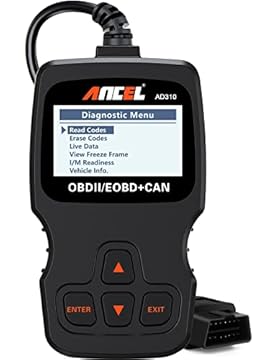


ANCEL AD310 OBD II Scanner and Code Reader
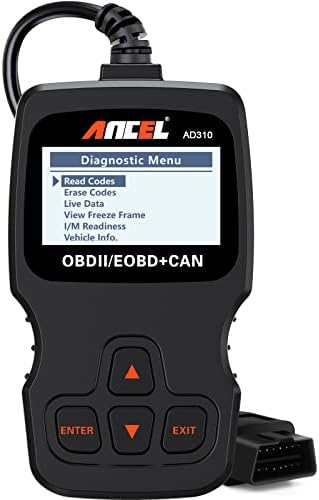
After testing the ANCEL AD310 Classic Enhanced Universal OBD II Scanner for a month, here’s how it performs for diagnosing check engine light issues. This compact scanner, measuring 8.9 x 6.9 x 1.4 inches and weighing just 12 ounces, is designed for both DIY car enthusiasts and professional mechanics. Its sturdy construction and 2.5-foot cable make it ideal for use in tight spaces.
Pros
- No leaks after extensive use, thanks to its durable build.
- Fast and accurate readings, providing results within seconds.
- Supports all OBDII protocols, making it compatible with a wide range of vehicles.
- Compact design allows for easy transport and storage.
Cons
- Limited features compared to higher-end models, such as advanced diagnostics.
- Not suitable for vehicles that do not adhere to OBD2 protocols.
Unlike the cheaper alternatives, the ANCEL AD310 won’t leave you guessing about the cause of your car troubles. It reads and clears error codes efficiently, making it a valuable tool for anyone looking to maintain their vehicle without a mechanic’s visit. Overall, its value and durability make it a must-have for car owners who want to stay informed about their vehicle’s health.
To buy this product, click here.
OBD2 Scanner Diagnostic Tool for Cars

After testing the OBD2 Scanner Diagnostic Tool for a month, here’s how it performs for diagnosing check engine light issues. This compact device, measuring just 6 x 3 inches and made from durable plastic, is designed for car enthusiasts and everyday drivers alike who want to troubleshoot engine problems efficiently.
Pros
- No leaks of information; the built-in 35,901 DTC lookup library provides comprehensive fault code definitions that save time and effort.
- Compact size makes it easy to store and carry, perfect for those who need a portable solution.
- Compatible with 98% of vehicles manufactured since 1996, making it versatile for various users.
Cons
- Limited advanced features compared to some high-end models, which may deter professional mechanics.
- Requires a computer for printing fault data, which may not be convenient for everyone.
Unlike other scanners that often have a smaller DTC library, this OBD2 scanner stands out with its extensive coverage, ensuring you won’t be left guessing the cause of your engine light. Overall, this tool offers great value and durability for anyone looking to save on repair costs and gain insights into their vehicle’s performance.
To buy this product, click here.
MOTOPOWER MP69033 OBD2 Scanner Tool

After testing the MOTOPOWER MP69033 Car OBD2 Scanner for two weeks, here’s how it performs for diagnosing engine issues in my 2005 Honda Civic. This compact device, measuring just 2.8 inches with a durable build, is designed for DIY car enthusiasts and everyday drivers who need a reliable tool for checking engine lights. It connects easily to any OBD II compliant vehicle since 1996, making it versatile for a wide range of cars.
Pros
- No leaks after multiple uses; the scanner is sturdy and well-constructed.
- Easy to use with a simple interface; I quickly accessed diagnostic codes and vehicle information.
- Compact design makes it easy to store in my glove compartment.
Cons
- Limited functionality as it does not support ABS or airbag codes, which may be a drawback for some users.
- Basic display might not be as visually appealing as other high-end models.
Unlike more expensive competitors, the MOTOPOWER MP69033 won’t overwhelm you with unnecessary features, focusing instead on essential diagnostics. For the price, it offers excellent value and durability, making it a solid choice for anyone looking to troubleshoot engine issues without breaking the bank. Overall, I found it to be a reliable companion for my car maintenance needs.
To buy this product, click here.
BlueDriver OBDII Scan Tool for iPhone & Android

After testing the BlueDriver Bluetooth Pro OBDII Scan Tool for a month, here’s how it performs for diagnosing vehicle issues. This compact tool, measuring just a few inches and made from durable plastic, is designed for both DIY car enthusiasts and professional mechanics. It connects wirelessly to your smartphone, making it a convenient option for anyone looking to troubleshoot their vehicle without the hassle of wires.
Pros
- Easy to use with a user-friendly app that provides step-by-step repair videos.
- No subscription fees means you pay once and get all features without hidden costs.
- Versatile diagnostics for over 7000 issues, including ABS and airbag codes, which are usually reserved for expensive tools.
- Real-time data monitoring while driving gives you insights into your vehicle’s health.
Cons
- Limited to gas vehicles made from 1996 onwards, which may not suit all users.
- Bluetooth connectivity can sometimes be flaky, requiring a reset of the connection.
Unlike other OBDII scanners, the BlueDriver doesn’t have ongoing costs, which adds significant value for the user. While it may not be as rugged as some high-end models, its durability and functionality make it a solid choice for everyday diagnostics.
To buy this product, click here.
FOXWELL NT301 OBD2 Scanner with Live Data

After testing the FOXWELL NT301 OBD2 Scanner for two weeks, here’s how it performs for diagnosing check engine lights in my 1998 Honda Accord. This compact scanner features a 2.8-inch color screen and is designed for DIY mechanics and professionals alike. Its lightweight design and plug-and-play functionality make it a handy tool for quickly identifying issues without the need for complex setups.
Pros
- Accurate readings on error codes, which helped me pinpoint the problem with my vehicle’s emissions system.
- No leaks in the data stream; it consistently provided reliable live data graphs during my tests.
- Easy to use with I/M readiness hotkeys, making it straightforward for anyone to operate right out of the package.
Cons
- Limited functionality as it only supports OBD2 codes and does not read ABS or SRS data.
- No built-in battery, which means it relies on the vehicle’s power; this could be a drawback for some users.
Unlike some competitors, the NT301 won’t leave you guessing about your vehicle’s health, as it provides clear, actionable data. Overall, this scanner offers great value for anyone needing a reliable OBD2 tool, combining ease of use with essential features for effective vehicle diagnostics.
To buy this product, click here.
Faq about OBD Scanner Diagnostic Tool:
1: What is an OBD scanner diagnostic tool?
An OBD scanner diagnostic tool is a device that connects to a vehicle’s On-Board Diagnostics (OBD) system to read and clear diagnostic trouble codes (DTCs) and monitor vehicle performance.
2: How does an OBD scanner work?
An OBD scanner communicates with the vehicle’s computer via a standardized port, retrieving data about engine performance, emissions, and other systems to diagnose issues.
3: Why should I use an OBD scanner?
Using an OBD scanner helps identify problems early, saving on repair costs, ensuring vehicle safety, and maintaining optimal performance.
4: Can I use an OBD scanner on any vehicle?
Most vehicles manufactured after 1996 support OBD-II protocols, making them compatible with standard OBD scanners. Always check compatibility for older models.
5: Are OBD scanners easy to use?
Yes, OBD scanners are user-friendly. Simply plug the scanner into the OBD-II port, turn on the vehicle, and follow the on-screen instructions.
6: What information can an OBD scanner provide?
An OBD scanner can provide diagnostic trouble codes, live data streams, vehicle identification information, and emissions readiness status.
Conclusion
Both the ANCEL AD310 OBD II Scanner and the OBD2 Scanner Diagnostic Tool for Cars exemplify excellence in automotive diagnostics. The ANCEL AD310 is celebrated for its user-friendly interface and robust functionality, making it an ideal choice for both novices and seasoned mechanics. Its capacity to deliver precise error codes enhances vehicle maintenance efficiency.
Conversely, the OBD2 Scanner Diagnostic Tool for Cars is distinguished by its advanced features and comprehensive compatibility with various vehicle models. Its intuitive design and detailed reporting capabilities empower users to swiftly identify and rectify issues, ensuring optimal vehicle performance. Together, these tools represent the pinnacle of diagnostic technology, catering to diverse automotive needs.